
The biggest turnaround in professional sports
Tampa Bay Rays KPI
- Rebuild a beaten Major League Baseball franchise that played in a long-neglected ballpark that was considered the worst stadium in America.
- Inspire a fan base that had been abused and neglected for a decade.
- Change the culture of a team that had been synonymous with losing.
- Help inspire the team internally and externally to embrace change and look forward to a brighter future.
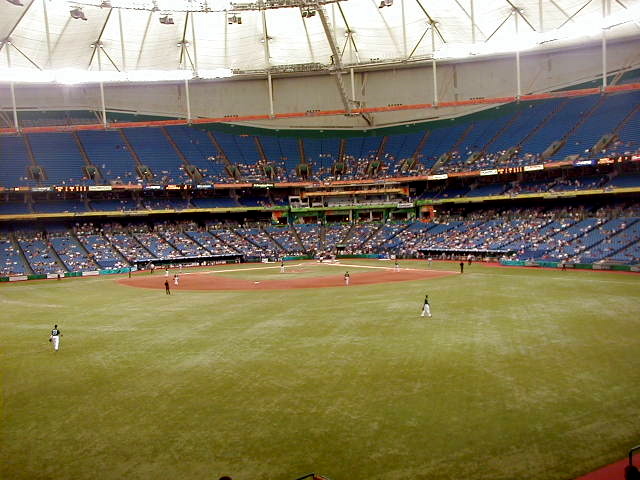
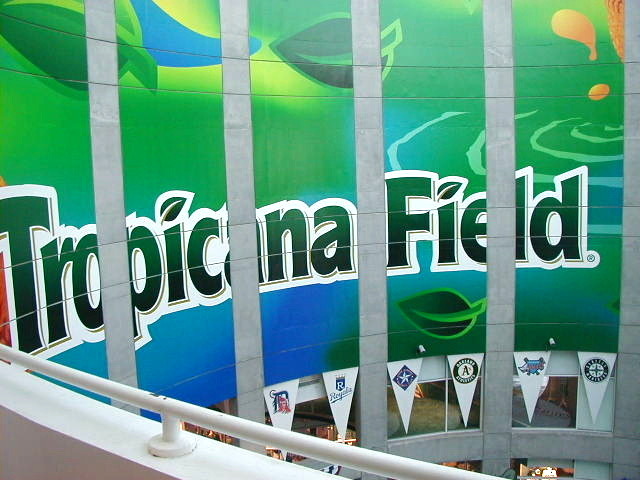
Concept/Activation: I came to the Devil Rays in 2005. It was the worst organization in professional sports, often mocked in pop culture by David Letterman and the Simpsons. The only time anyone popped Champaign bottles was if the team won its 63 games, which meant it wouldn’t be a 100-game loser again. The ballpark was dirty and dingy.
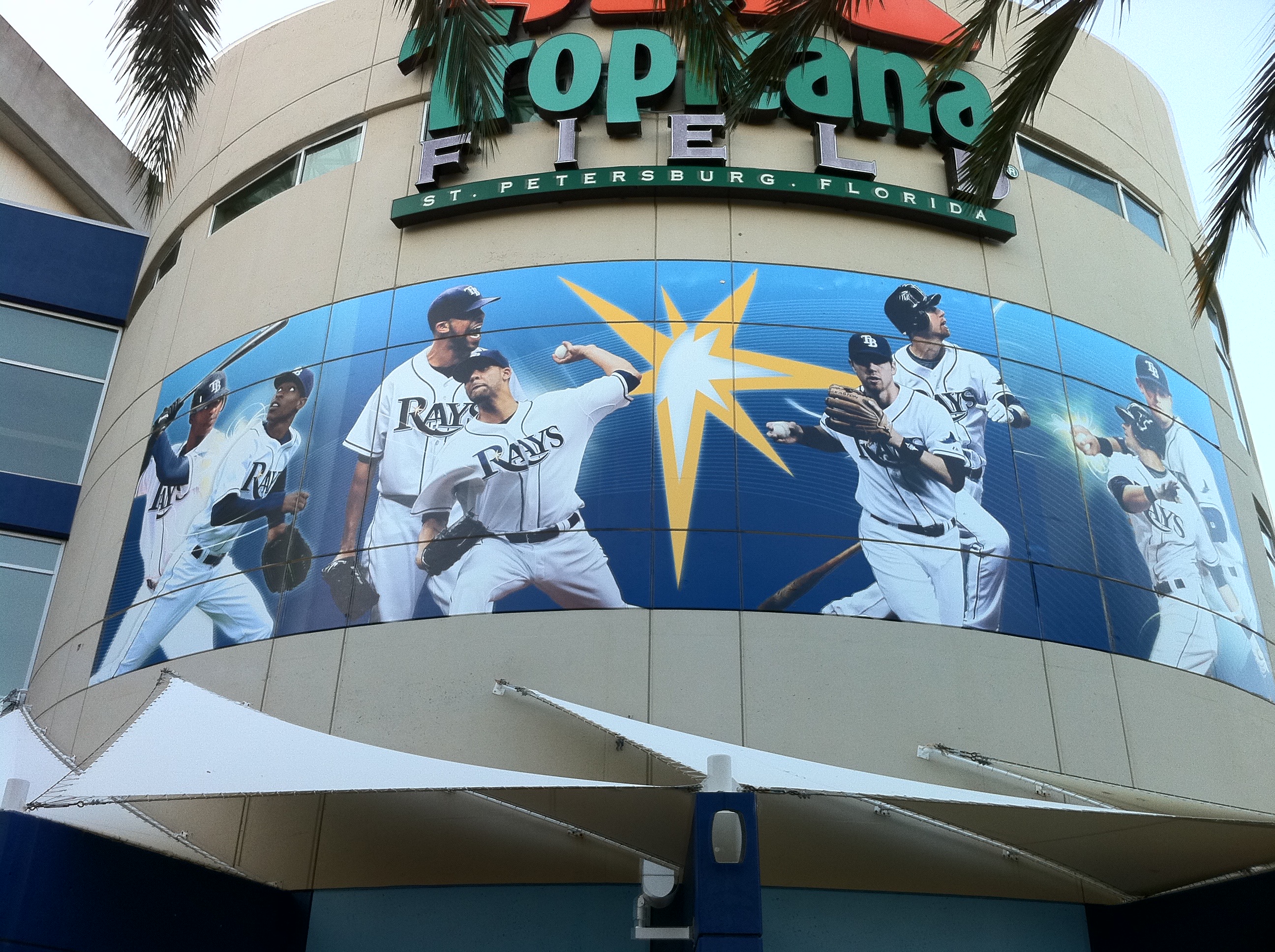
Just walking through the stands would stain your clothes. People would only show up when the Yankees or Red Sox came to town. A new owner took control of the team for the 2006 season. The club needed things to change. It began with something as simple as cleaning the filthy ballpark. The new owner had all 42,735 seats cleaned, repaired, and painted.
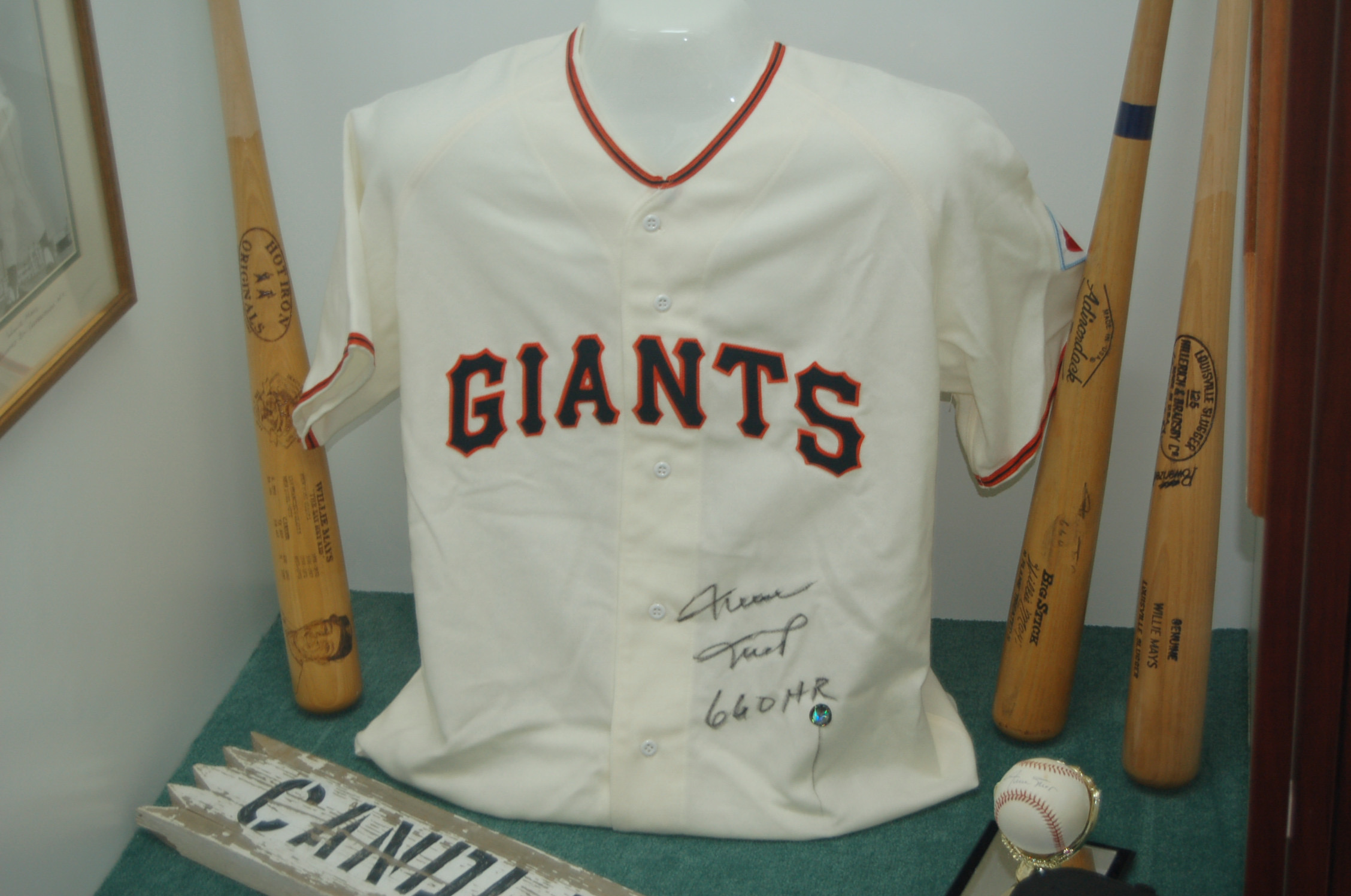
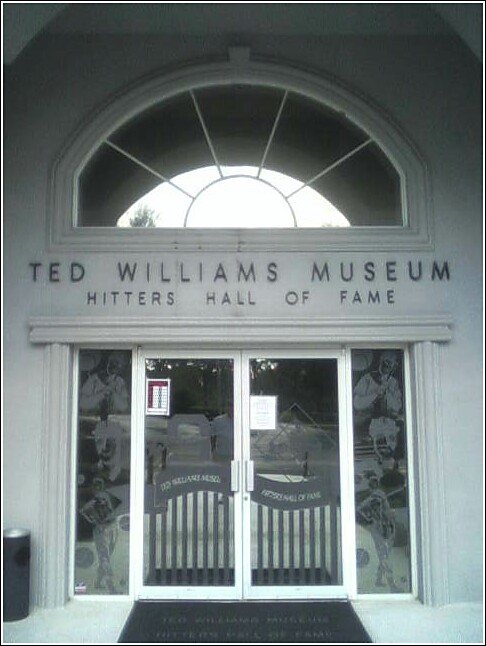
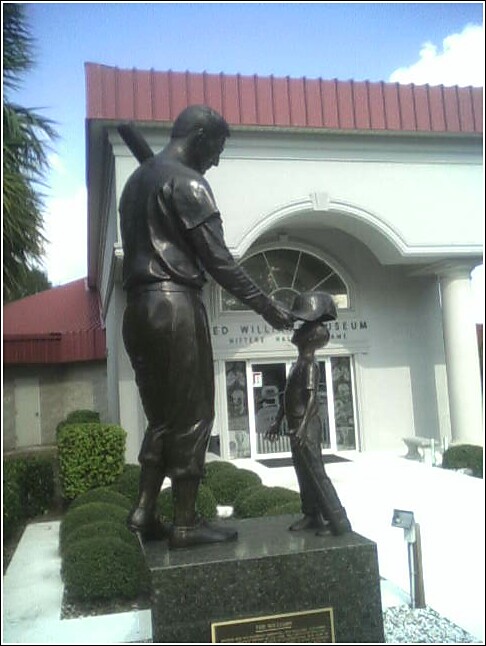
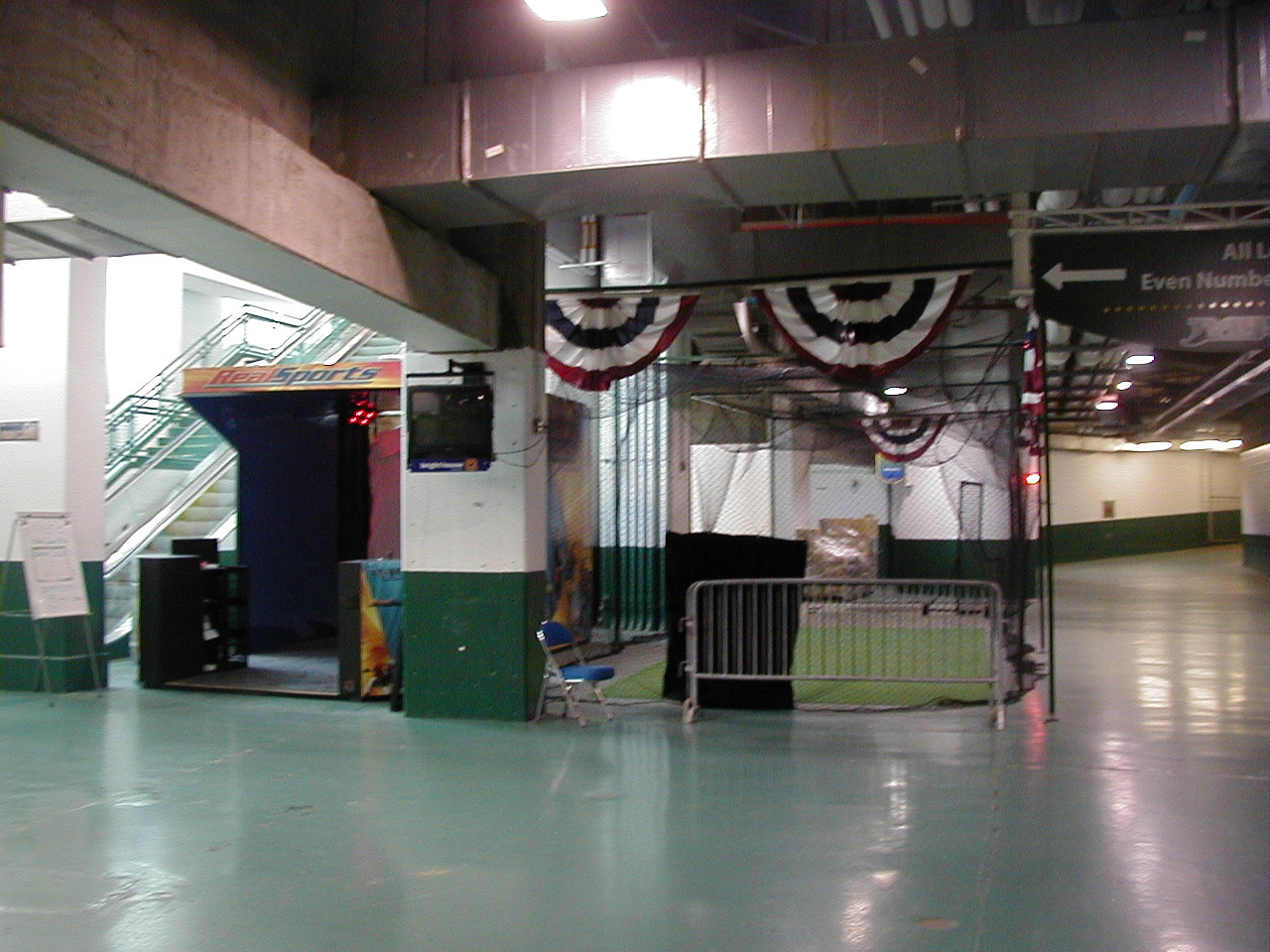
I was tasked with managing a few sections of the stadium. I had inherited responsibility for overseeing a rundown video arcade next to the team store. That off-season, I met the Executive Director of the Ted Williams Museum. The Museum had fallen on hard times after Williams’s death and was facing closure.
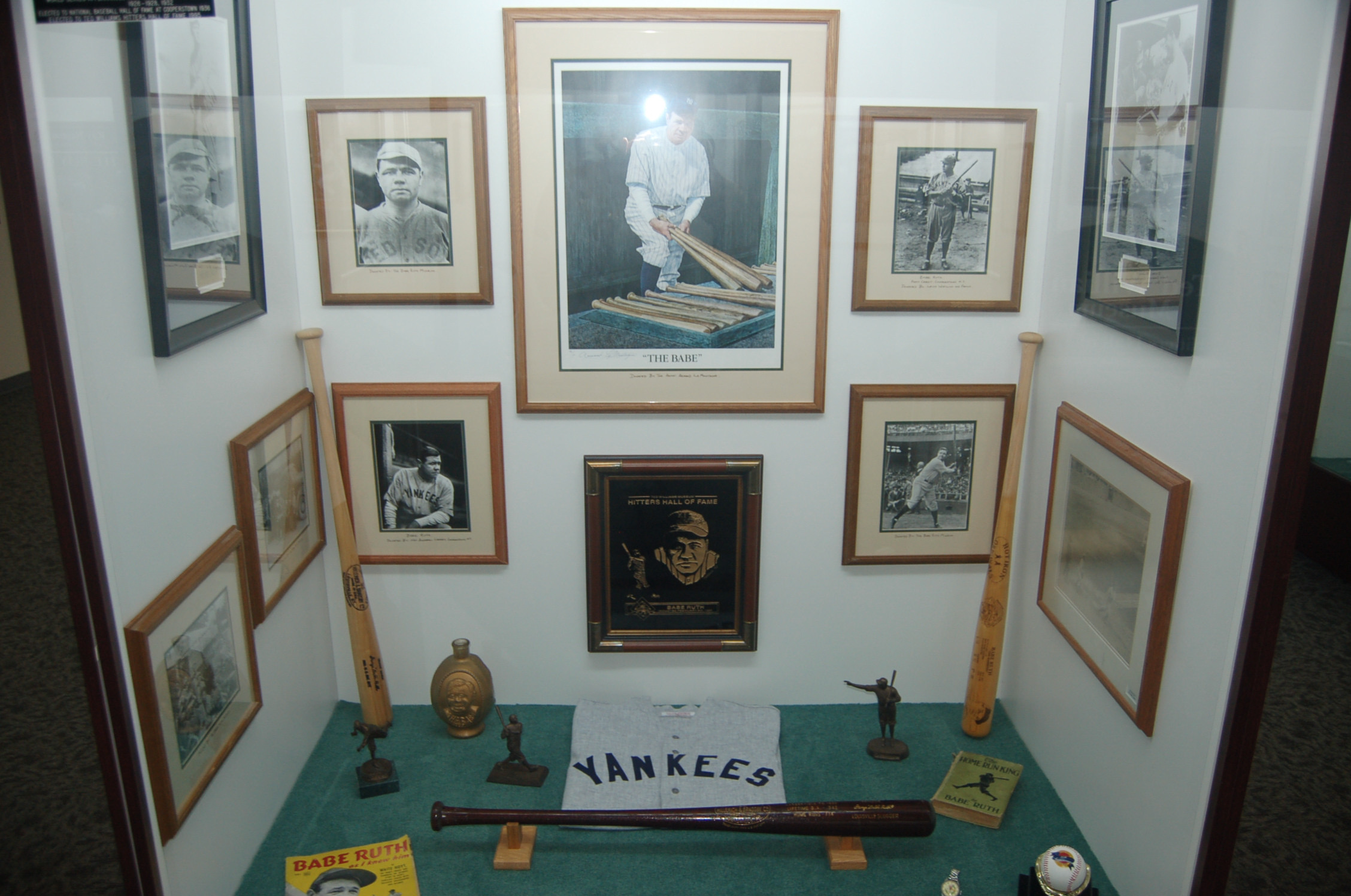
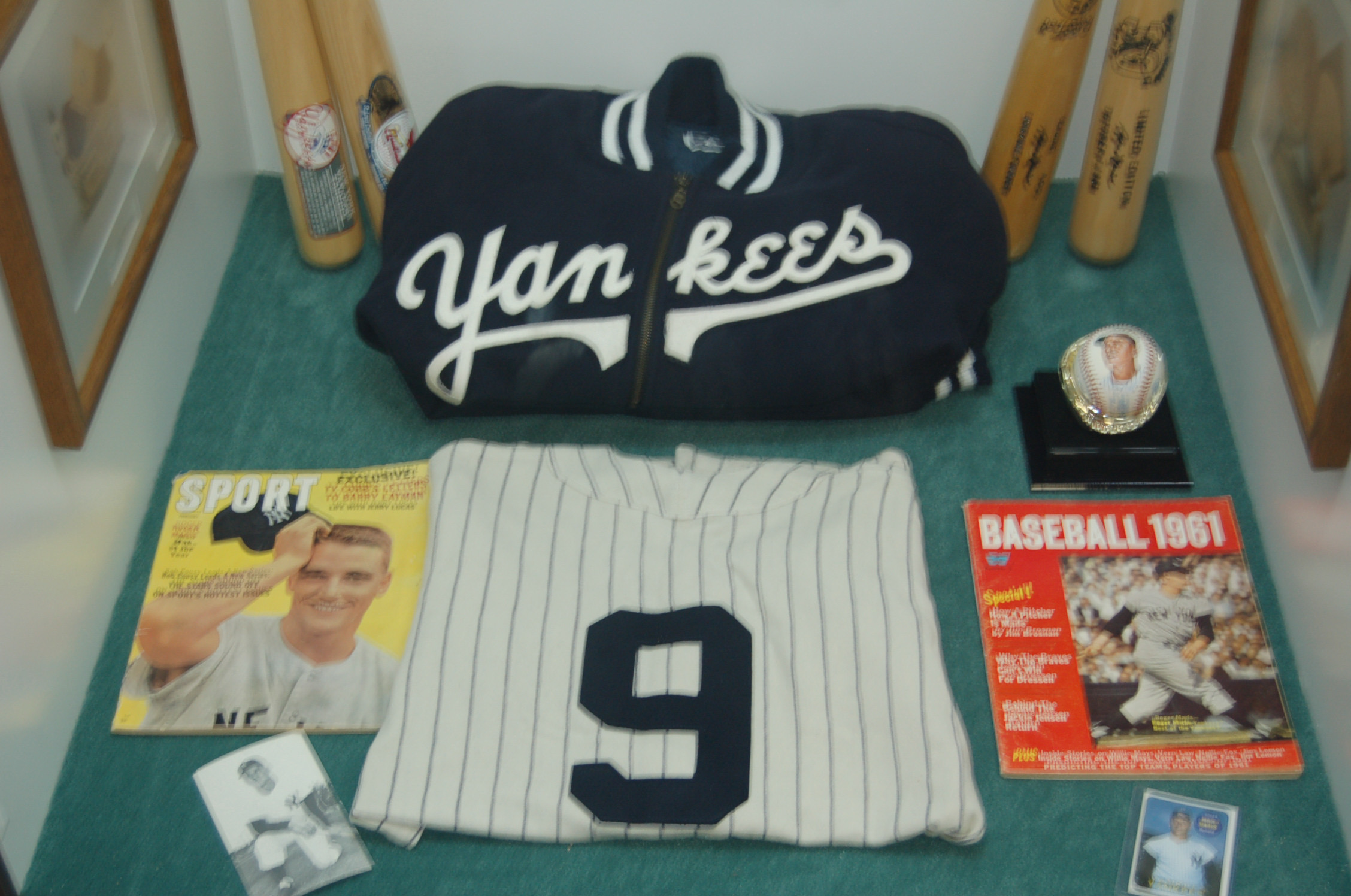
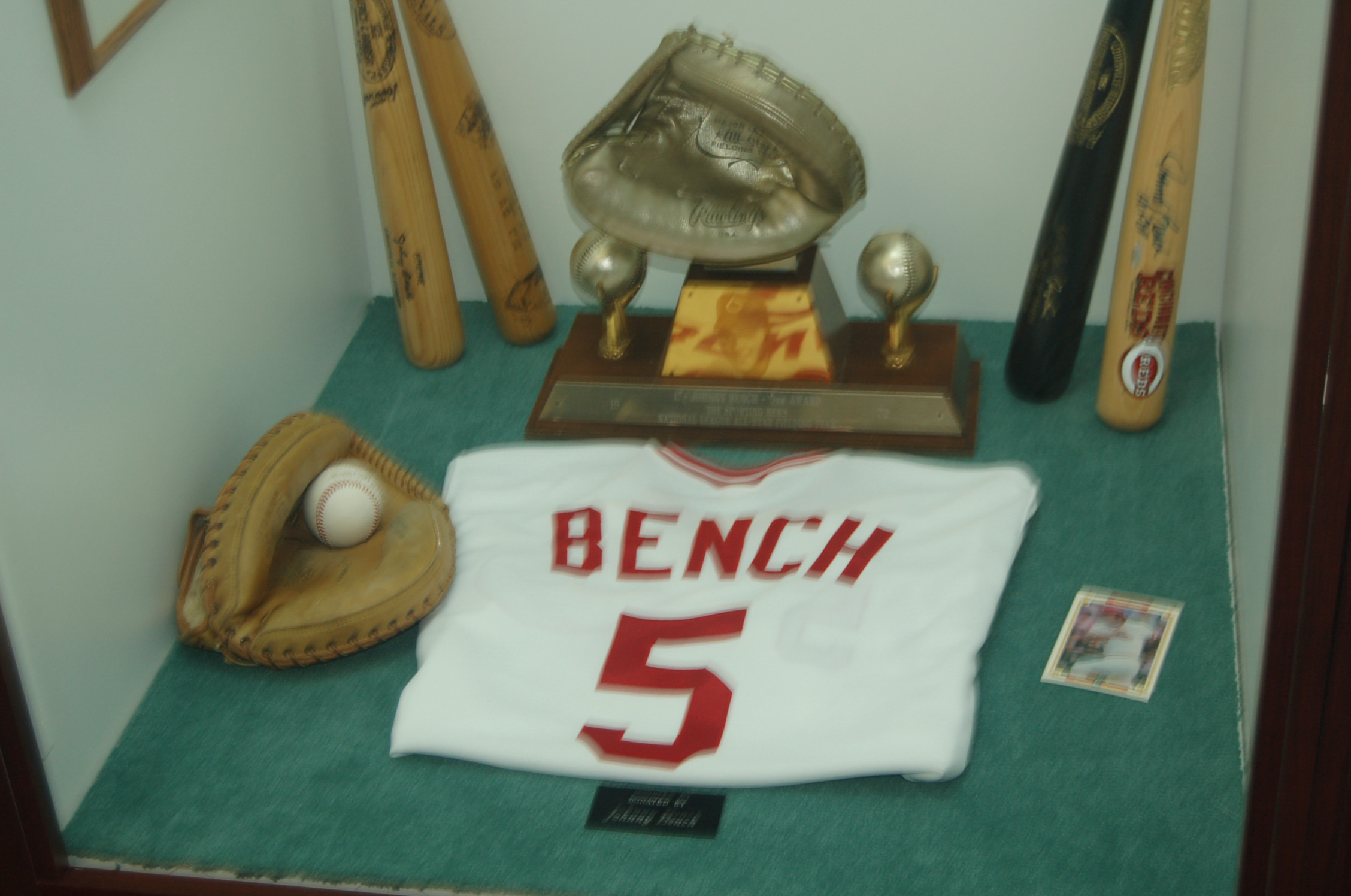
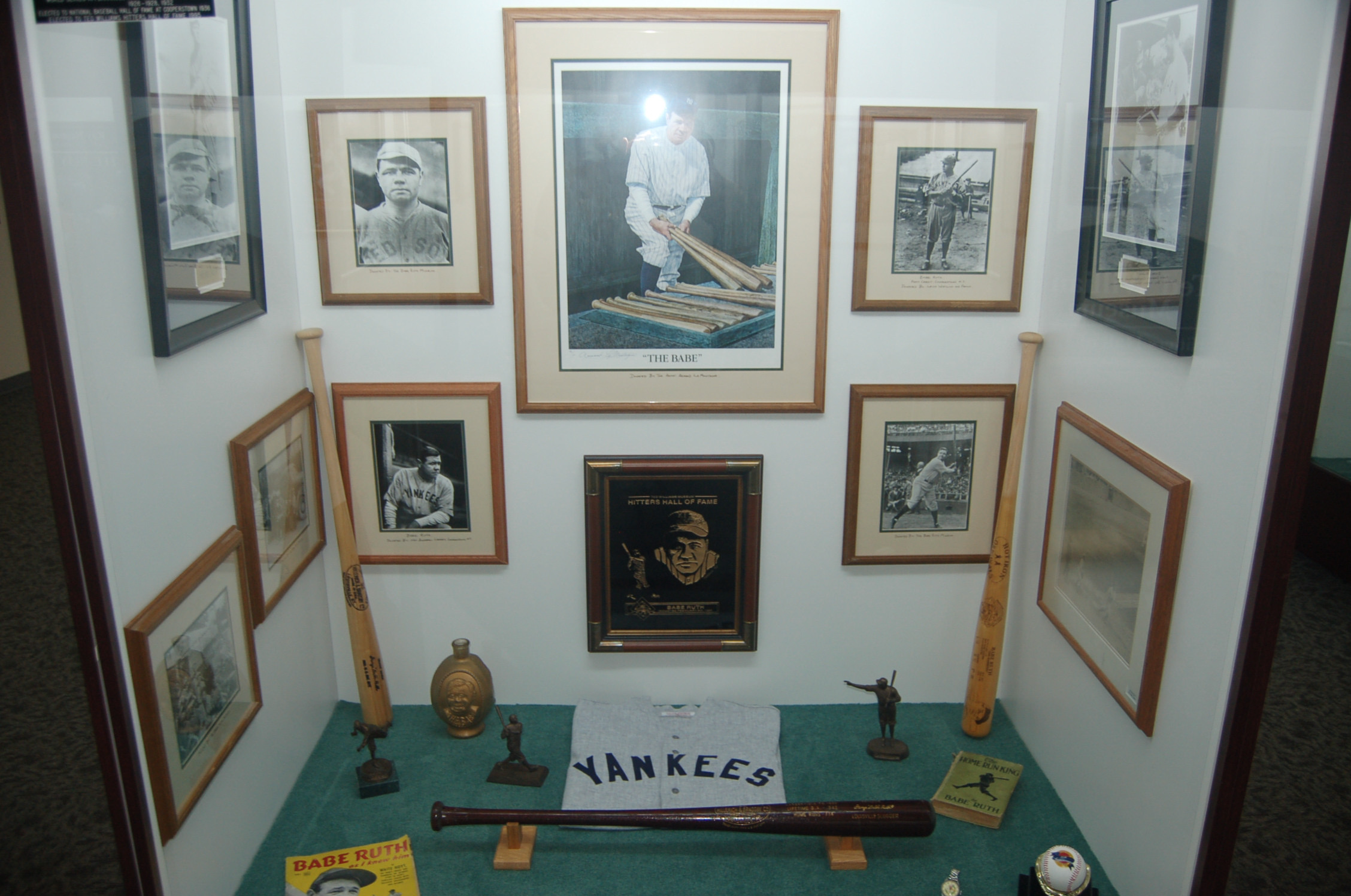
I brought the idea of bringing a traveling display from the Museum to the underused and highly visible space occupied by the arcade. Initially, I got pushed back, “Why would you bring something from another team to our ballpark?”. We don’t have much history of success, and our ballpark has no atmosphere; we can use the exhibit to celebrate the game of baseball and get the rub of the history of the Ted Williams Museum, giving Tropicana Field creditability. It was a huge success, with fans flocking to see the memorabilia and displays. Each year, the program expanded. We added pregame autograph signings and a 50/50 raffle to benefit the Rays Baseball Foundation. The Museum supported Fan Fest each year, bringing former players for autograph sessions. The Museum brought their annual 500-person dinner to the ballpark each off-season. The success of the initial exhibits led to an expansion of a previously unused space on the second floor for a permanent 7,500-square-foot home for the Museum a few years later.
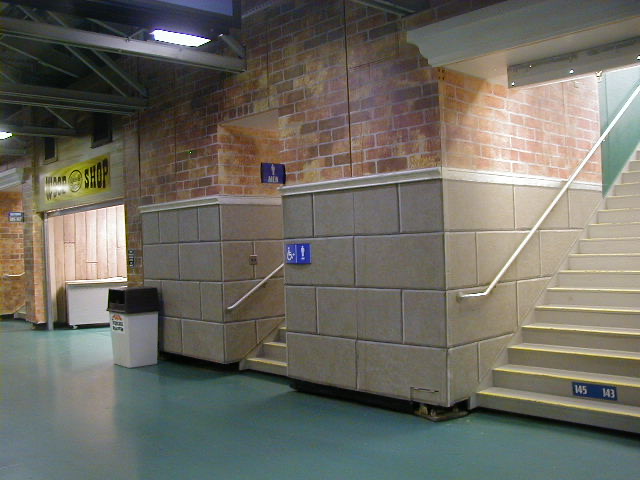
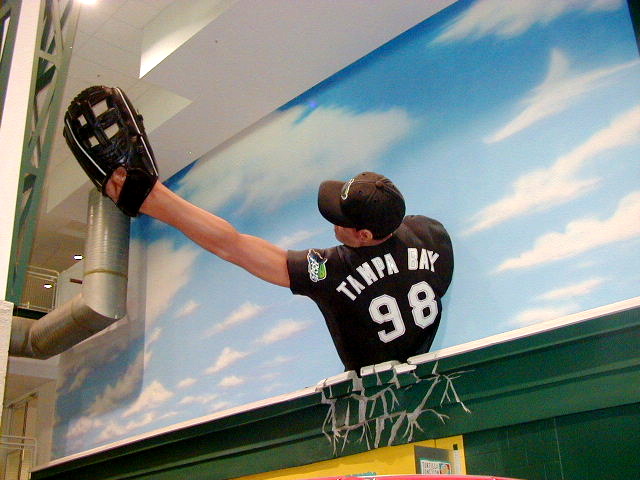
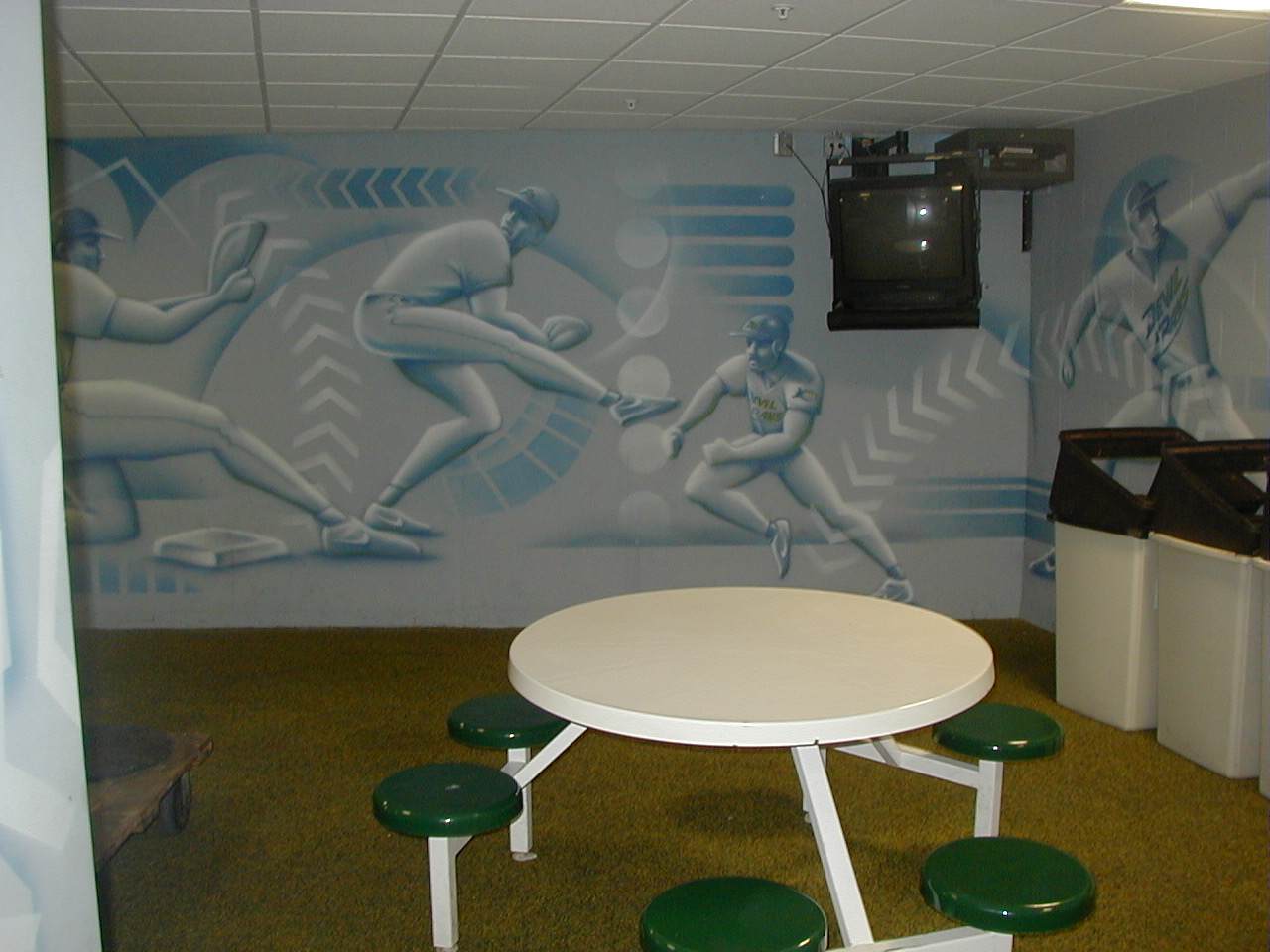
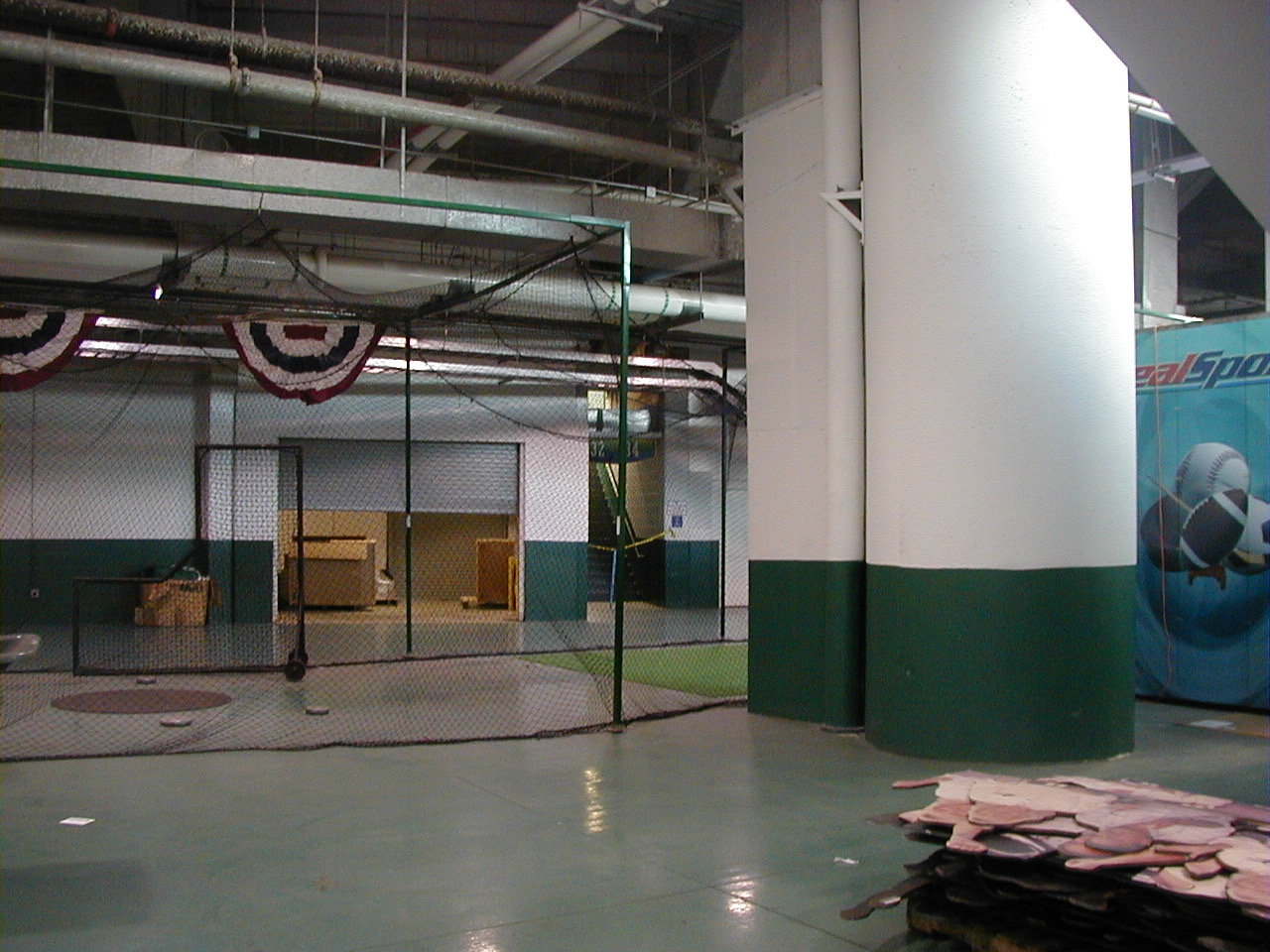
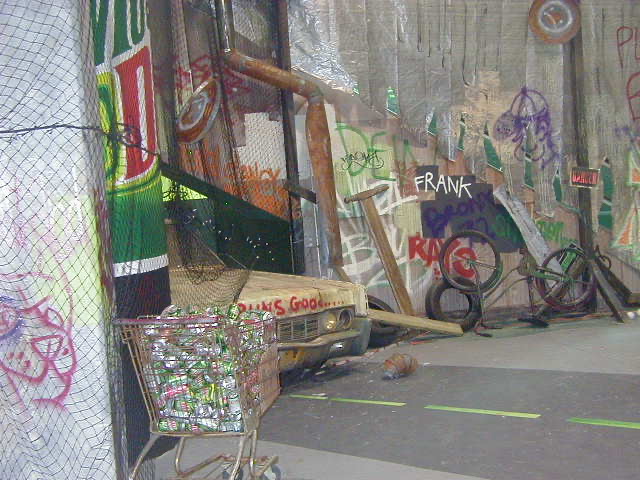
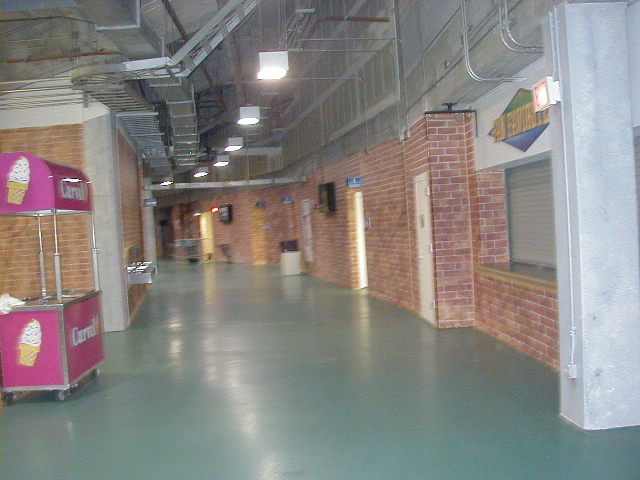
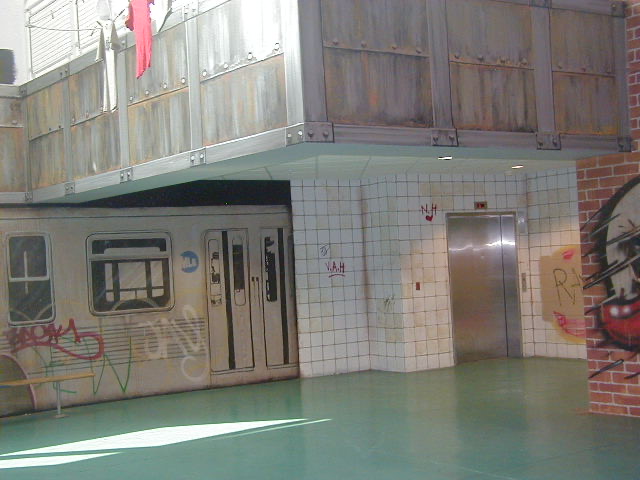
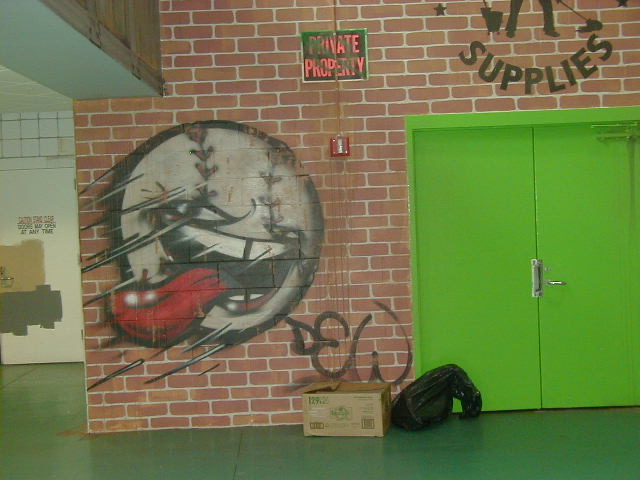
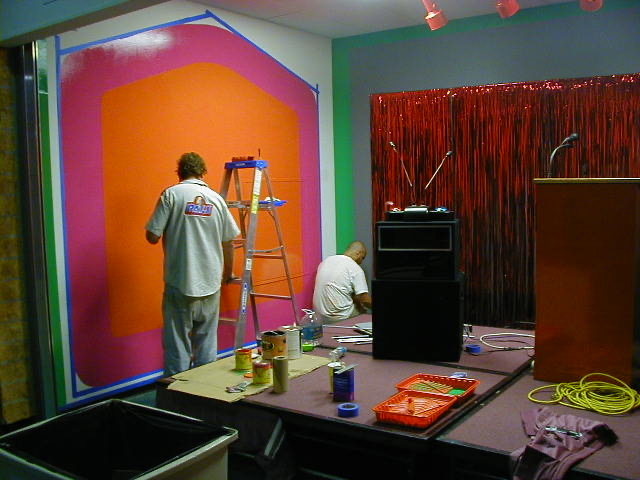
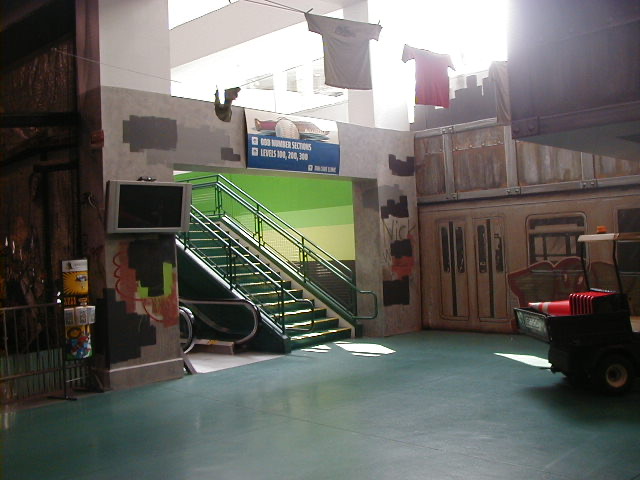
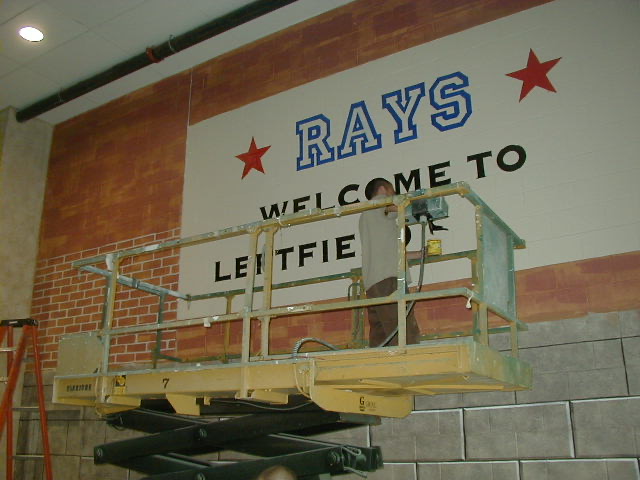
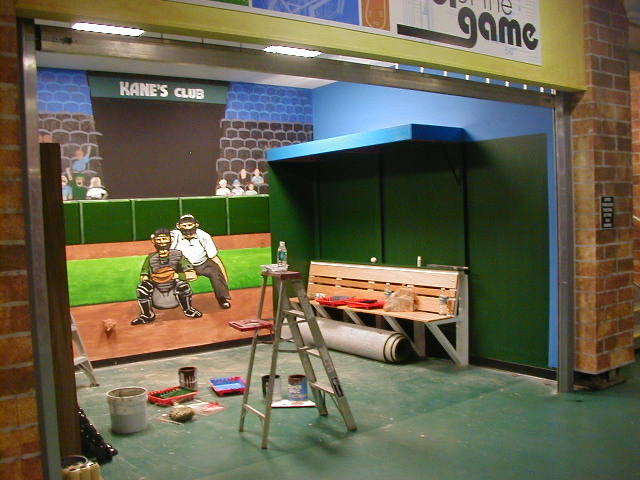
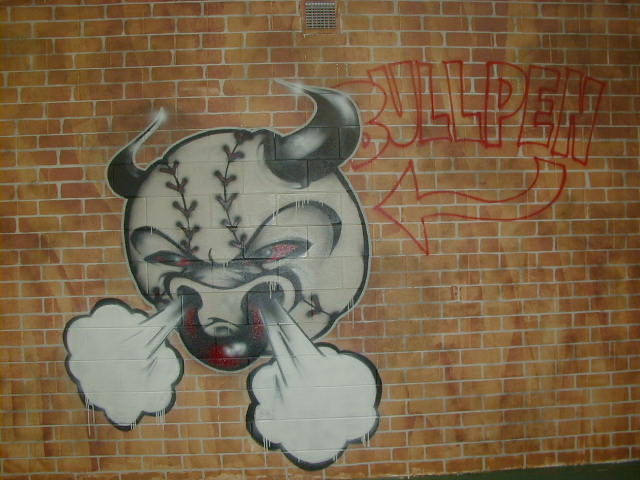
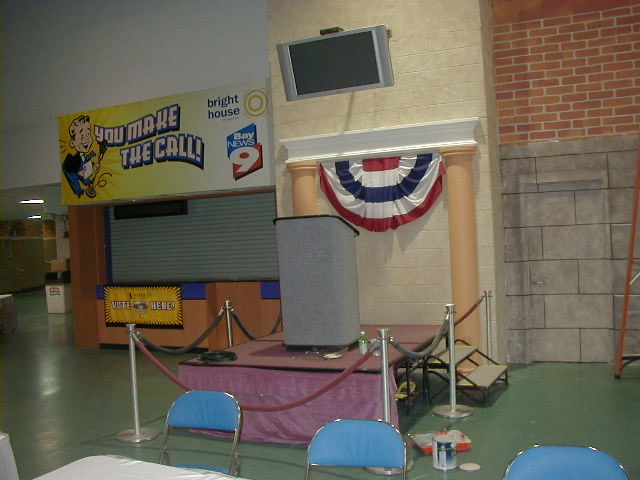
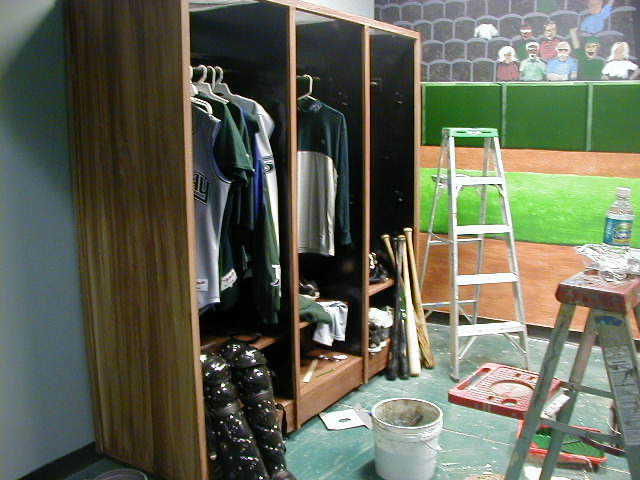
With the success of activating the Ted Williams Museum space, I was tasked with reimagining a section of the ballpark under the left-field bleachers along with our VP of Fan Experience. It was drab and gray with unused “alcoves.” I thought of the Disneyland section initially designed to be “Edison Street .”Off Main Street in Anaheim, there is a brick wall that Walt used to choose what type of brickwork he wanted at Disneyland. I used that inspiration to work with a local street artist to come up with a paint scheme to immerse fans into a 3-D world of an old ballpark from the past by using the industrial steel work overhead to create the Feel of an old ballpark-like the Polo Grounds or Ebbitt’s Field. I brought those empty nooks to life by drywalling them and creating Disney-type interactions for families coming to the ballpark. This also created activation opportunities for new and existing sponsors. The new booths included “You make the call” presented by Bay News 9, where fans got to be a play-by-play announcer, Feel of the game where you could touch game used equipment (which led to selling game used gear later on), a Topps booth where you could make your baseball card, a trivia contest where fans could compete and win prizes on a stage that looked and felt like a game show, and batting cage that looked and felt like you were playing stickball in New York that featured an actual car that you could hit with a line drive.
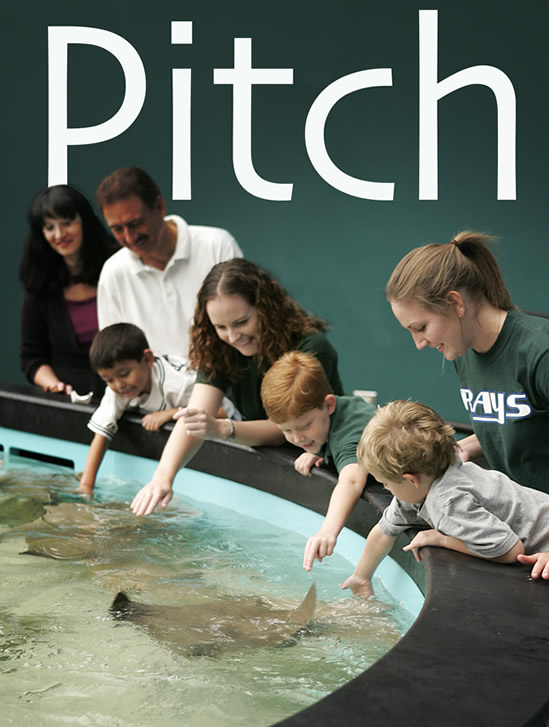
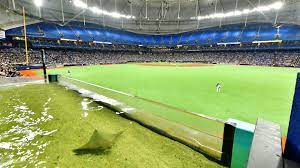
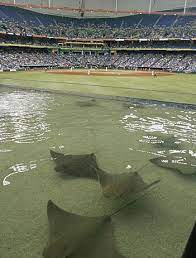
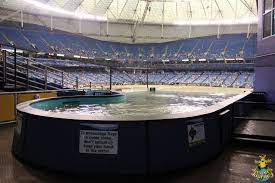
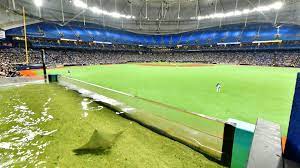
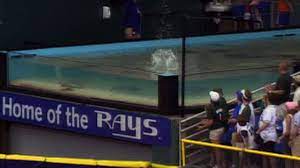
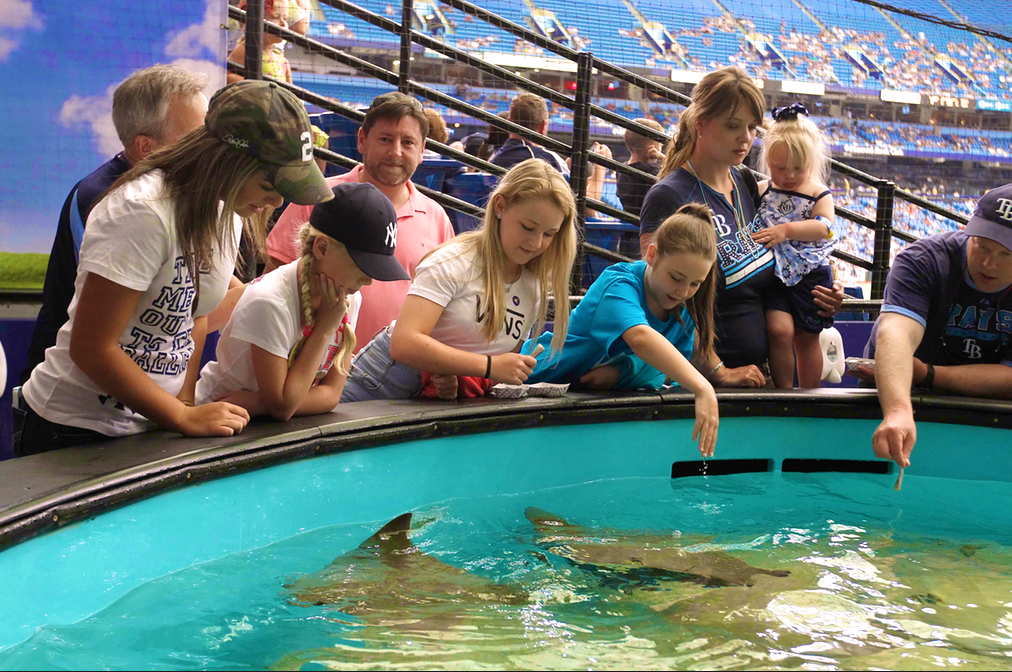
My proudest creation was the Rays Touch Tank. After my first season with the Rays, I took my 5-year-old son to an aquarium. After watching a crab and a stingray play for hours, he asked, “Daddy, if your new team is the Rays, why don’t you have any of them in your ballpark?’. It was a Disney moment, to be sure, like when Walt sat there with his girls and watched them on the carousel and imagined Disneyland. Again, I returned to the ballpark and asked if we could build a Rays tank. Of course, there was initial skepticism within the organization as we were trying to change the culture. After some pushback, I was permitted to explore my crazy idea. I contacted every aquarium in the southeast, and finally, after many tries, I got a reluctant meeting with the Florida Aquarium in Tampa.
No other aquariums wanted to be associated with the Devil Rays because of our reputation.
When we met with the aquarium, they immediately said, “No, we don’t want to buy tickets. “
I told them that it was ok. We weren’t here to sell tickets. It took some persuasion to let them know that I wanted to partner with them on promoting their brand in a Big-League baseball stadium that will expose millions of baseball fans each season. Eventually, they saw my vision of what this could become one day. Millions have seen the Ray touch tank of baseball fans around the country, and it is now one of the iconic symbols in baseball. That has inspired other teams to create interactive activations within sports. The reputation of the Tampa Bay Rays was restored along with their culture. The turnaround was so impressive that it’s been studied at Harvard Business School and been the subject of a book “The Extra 2%: How Wall Street Strategies Took a Major League Baseball Team from Worst to First”.
Click on photos to see more examples of Rich’s work.
 rich4america.com
Leave a comment